

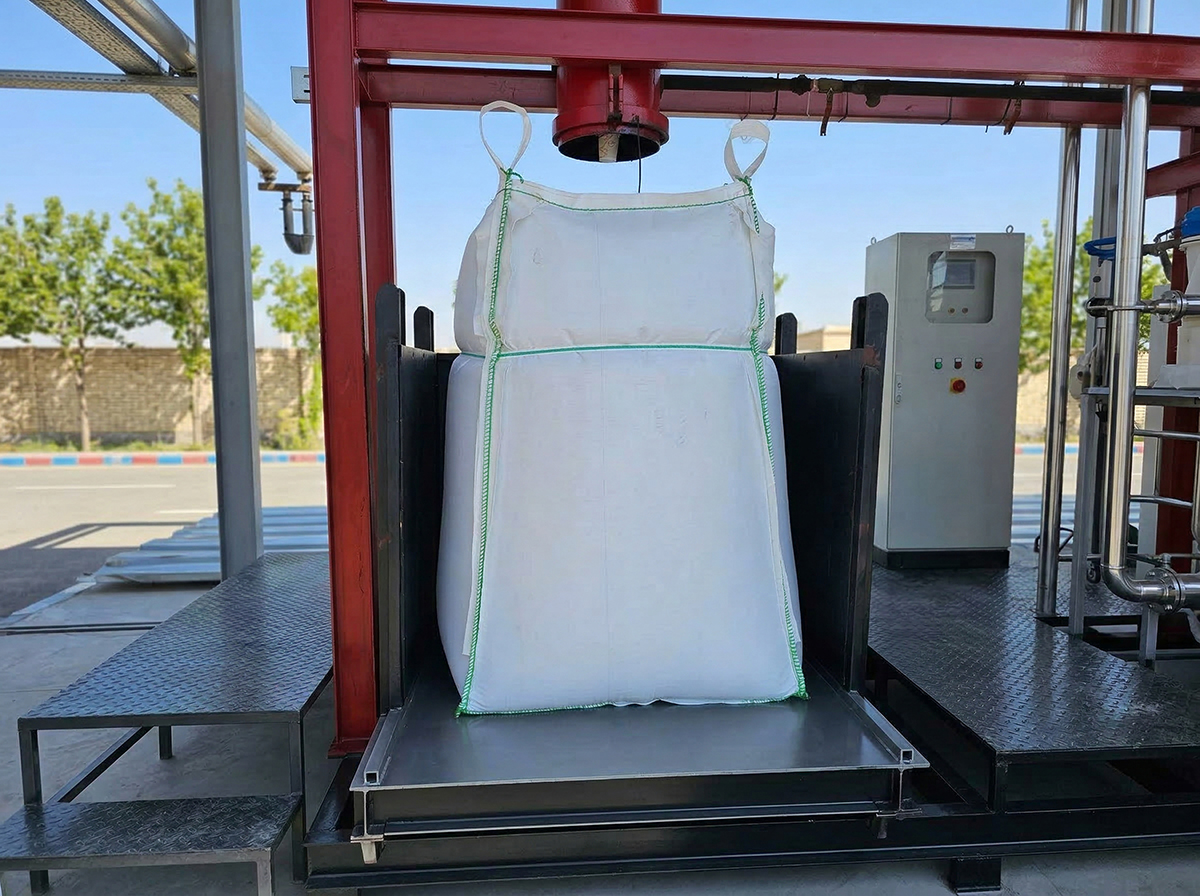
For decades, transporting bitumen across long distances was a complicated and expensive process. Traditionally, bitumen had to be moved in heated tankers, steel drums, or specialized bitumen vessels, all of which required continuous temperature control and complex logistics infrastructure.
However, the emergence of bitumen bags -often referred to as Bitubag or bitumen jumbo bag systems- has significantly changed how the bitumen industry operates globally.
Today, bitumen can be transported not only as a hot liquid, but also as a solid product packaged in specially designed bags. This innovation has opened new possibilities for bitumen producers, traders, and asphalt plants around the world.
The Shift Toward Cold Bitumen Logistics
Bitumen bags introduced a concept often described as cold bitumen transport. Instead of keeping bitumen heated during transportation, the material is filled into high-temperature resistant bags while still hot, then allowed to solidify naturally.
Once solidified, the bitumen blocks can be transported safely inside containers without the need for heating systems.
This approach dramatically simplifies logistics. Instead of relying on heated tankers or bitutainers, producers can ship bitumen using standard containers, reaching markets that previously lacked the infrastructure required for hot bitumen handling.
As a result, bitumen bags have made global bitumen trade far more accessible and flexible.
Opening New Export Markets
One of the most significant impacts of bitumen bags has been the expansion of export opportunities.
In the past, bitumen exports were largely limited to regions equipped with heated storage facilities, specialized unloading systems, and tank terminals. Many developing markets simply could not handle bulk hot bitumen shipments.
Bitumen bags changed this dynamic.
With bitumen packaged in jumbo bags, the product can be transported, stored, and handled much more easily. Asphalt plants only need a melting unit to recover the material, making the system particularly attractive for countries where large-scale bitumen infrastructure is limited.
This packaging innovation has allowed producers to reach new markets across Africa, Southeast Asia, and other emerging economies, accelerating the globalization of the bitumen trade.
Cost Efficiency Compared to Traditional Packaging
Another reason behind the rapid adoption of bitumen bags is cost efficiency.
Traditional steel drum packaging requires large amounts of steel, significant handling labor, and generates waste after use. Heated transport systems also involve substantial energy consumption during transit.
Bitumen jumbo bags reduce many of these costs. They allow higher container loading efficiency, reduce packaging waste, and eliminate the need for heating during transportation. For long-distance shipments, this can significantly improve overall logistics economics.
For traders and producers operating in competitive markets, these savings can make a major difference.
A Structural Change in Bitumen Logistics
The introduction of bitumen bags represents more than just a new packaging format. It has fundamentally reshaped how the bitumen industry approaches logistics.
By enabling cold transport, simplifying container shipping, and lowering entry barriers for new markets, bitumen bag systems have transformed bitumen from a product dependent on specialized infrastructure into a globally tradable commodity.
Today, bitumen bags are widely used in international bitumen logistics, supporting trade flows between refineries, traders, and asphalt producers around the world.
As global infrastructure investment continues to grow, innovations in bitumen packaging -including improved jumbo bag designs and more efficient melting systems- are likely to further shape the future of the industry.
What began as a packaging innovation has evolved into a key driver of change in the global bitumen market.

